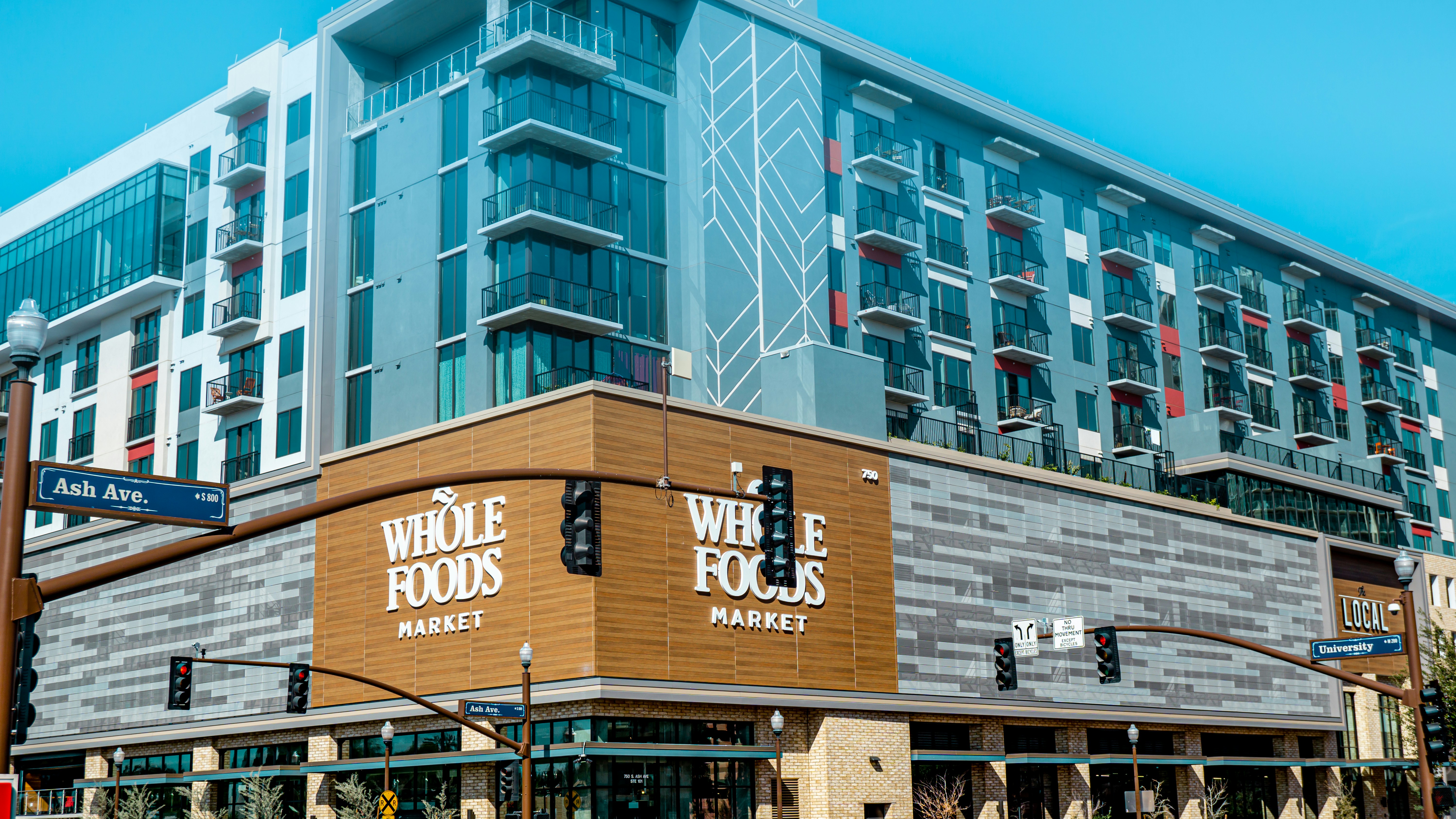
Commercial real estate decisions shape cash flow, operations, and long term outcomes. Whether you are leasing space, purchasing a property, or evaluating an investment, the structure of the deal matters as much as the location.
My role is to help business owners and investors understand the numbers behind the decision. That includes lease terms, operating costs, pricing context, and how similar properties have performed over time across Long Island.
I work with commercial real estate clients throughout Long Island, supporting retail, office, mixed use, and investment properties with clear guidance and disciplined planning.
Retail, office, mixed use, and investment properties
Each commercial category behaves differently. Strategy must match use.
I work across:
- Retail properties, where visibility, foot traffic, and lease structure drive performance
- Office spaces, where layout, flexibility, and operating expenses matter more than square footage alone
- Mixed use buildings, where residential and commercial dynamics must be balanced carefully
- Investment properties, where income, expenses, and long term stability guide decisions
The focus is always on how the property supports your business model or investment goals, not just the listing details.
Leases, numbers, and deal structure
Commercial real estate is driven by math and terms, not emotion.
I help clients break down and compare:
- Base rent, escalations, and lease length
- Operating expenses and net effective rent
- Renewal options and exit flexibility
- Purchase pricing relative to income and risk
- How today’s terms compare to historical norms
Clear understanding at this stage prevents costly mistakes later.
The Long Island commercial market in context
Commercial real estate on Long Island has historically moved in cycles rather than sharp swings. Looking at longer term patterns helps ground better decisions.
Over the past decade, Long Island has consistently shown:
- Stable demand for neighborhood retail, supported by population density and established communities
- Office absorption concentrated in well located suburban corridors, rather than speculative growth areas
- Ongoing investor interest in mixed use assets, especially near transit, downtowns, and town centers
- Preference for properties with predictable cash flow, even during slower market periods
Limited land availability, proximity to New York City, and mature infrastructure have helped many commercial assets retain value over time, even when transaction volume slows.
Instead of reacting to short term headlines, I help clients compare current opportunities against historical performance, lease structures, and long term risk.
Planning beyond the transaction
Commercial real estate should support where you are headed, not just solve today’s need.
I work with clients to think through:
- Growth or contraction over the next 3 to 10 years
- Lease flexibility versus ownership stability
- How real estate fits into broader business or investment plans
- Exit considerations before entering a deal
This approach reduces unnecessary moves and improves long term outcomes.
A clear and deliberate process
You should always understand the trade offs, the risks, and the upside before committing. My role is to provide clear, grounded guidance so decisions are made with confidence and control.
If you are considering a commercial real estate move on Long Island, we can review the numbers and discuss the right path forward.